qbix Ransomware
Tips For Deleting qbix Ransomware from Windows 2000
Have a look at qbix Ransomware related similar infections| Ransomware | YourRansom Ransomware, Police Department University of California Ransomware, Ranion Ransomware, Bakavers.in, Guardware@india.com Ransomware, SimpleLocker Ransomware, EnkripsiPC Ransomware, Locker Ransomware, FileIce Survey Lockscreen, helpmeonce@mail.ru Ransomware, CryptoCat Ransomware, VaultCrypt |
| Trojan | Trojan.Agent.agip, MIRC Korpie Trojan, Zlob-x.a, Hacktool.Generic, Packed.Win32.Krap.ah, Malware.Whybo, I-Worm.ICQ.Vampa, Trojan.Maljava.B, Trojan-Spy.Win32.Zbot.amml, Vundo.HIT |
| Adware | Adware.BookedSpace, WhenU.WhenUSearch, Adware.BHO.cn, SuperSpider, EverAd, combrepl.dll, ThumbSnatcher, Safe Monitor, Vapsup.jh, Instdollars, ZQuest, InstantSavingsApp, WebBar |
| Browser Hijacker | BonziBuddy, Adjectivesearchsystem.com, Safenavweb.com, Clkmon.com, Lnksr.com, Get-amazing-results.com, iLookup, Bucksbee, Crehtynet.com, Networksecurityregistry.com |
| Spyware | MySpaceBar, SysSafe, WinIFixer, Enqvwkp Toolbar, TSPY_DROISNAKE.A, Worm.Randex, Think-Adz, Ydky9kv.exe, SuspenzorPC, WinFixer2005, PTech, Trojan.Apmod |
Easy Steps To Uninstall qbix Ransomware From Infected Operating System
qbix Ransomware is detected as a perilous Operating System threat which can harm your Operating System data and files very badly. It intrudes your Operating System silently and secretly so that you will not identify its presence easily and it can spread itself as much as possible. It can corrupt your data and make it inaccessible. Moreover, it can cause your Operating System to degrade its performance and applications to respond slowly.
You can infect your Operating System in many ways like when you open a spam email, visit some unknown and untrusted site, clicking malicious ads or pop-ups and many other ways. But one important method used by qbix Ransomware is bundling method in which it gets installed directly with the installation of free downloads. On its arrival into the system, it can almost disturbs the internal settings and functioning of the Operating System. Hence, if you find such malware into the Operating System, you need to Uninstall it.

Guide 1 : Efface qbix Ransomware From Firefox In Operating System
Guide 2 : Efface qbix Ransomware From Control Panel In Operating System
Guide 3 : Efface qbix Ransomware From Registry Entry In Operating System
Guide 4 : Efface qbix Ransomware From Task Manager In Operating System
Guide 5 : Guides To Start Operating System In Safe Mode
Tutorial To Effectively Uninstall qbix Ransomware From Your Operating System
Guide 1 : Efface qbix Ransomware From Firefox In Operating System
From Internet Explorer -
- Click on Gear icon to open Tools menu in the Internet Explorer window.
- Click on Manage Add-ons option.
- Goto Toolbars and Extensions tab.
- Locate qbix Ransomware related add-ons - > Disable button.
- Click More information button and finally click on Uninstall button to completely Uninstall qbix Ransomware.
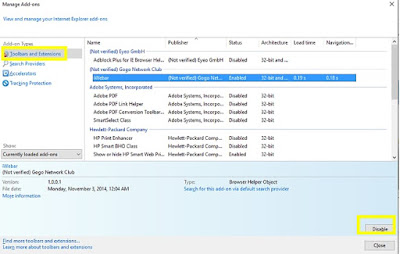
From Google Chrome -
- At first, launch the Google Chrome browser.
- Click on gear icon present in your browser to open Chrome menu.
- Click on Tools option.
- Click on Extension.
- Select all unwanted extensions.
- Click on trash bin icon to Uninstall qbix Ransomware.
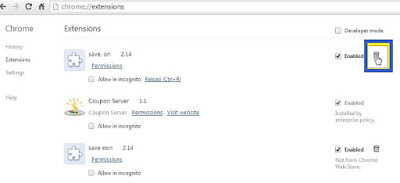
From Mozilla Firefox -
- Click on the Menu icon present at the top right corner of the browser.
- Select Add-ons option.
- In the Add-ons window, choose the Extensions or Appearance panel.
- Select add-on related to qbix Ransomware which you want to Uninstall.
- Click the Remove button.
- Click Restart if it asks.
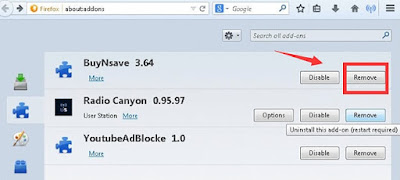
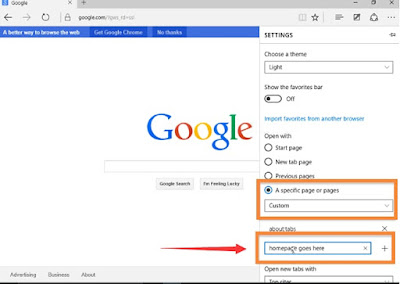
From Microsoft Edge -
- Click on More (...) icon and click Settings then.
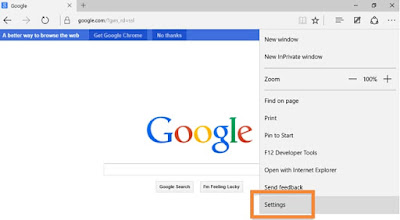
- Now, select A specific page or pages under the Open with option.
- Again, select Custom option.
- Type the URL of the page you want to set as your browser's default homepage.
Guide 2 : Efface qbix Ransomware From Control Panel In Operating System
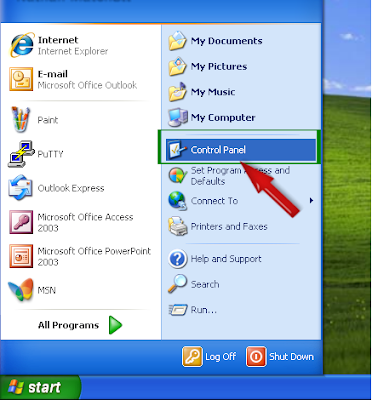
For Windows XP
- Click on Start button and click Control Panel.
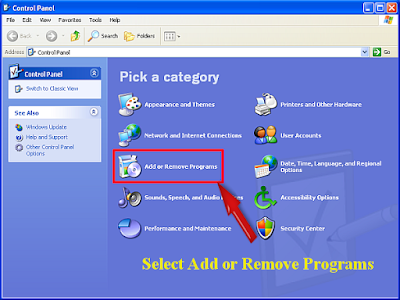
- Select Add or Remove Programs option.
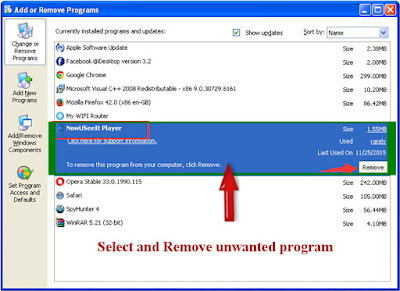
- Find and Uninstall qbix Ransomware related programs in the window that appears.
For Windows 7
- Press Window key present on the keyboard.
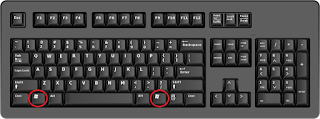
- Click Control Panel option from the menu.
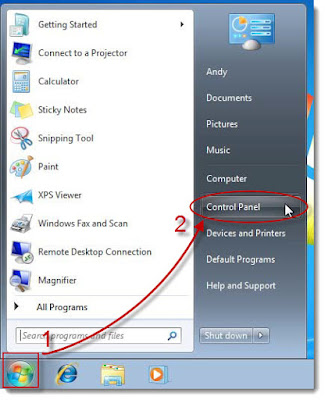
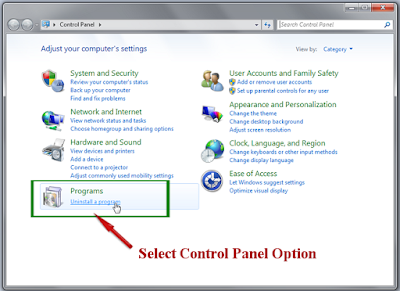
- A Control Panel window appears from where click on Programs option.
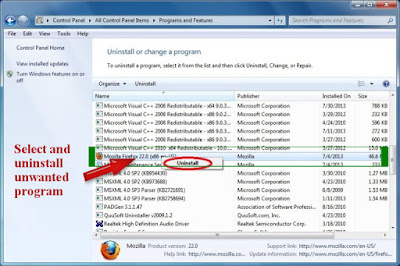
- Select executable file of qbix Ransomware.
- Click on Uninstall option.
For Windows 8
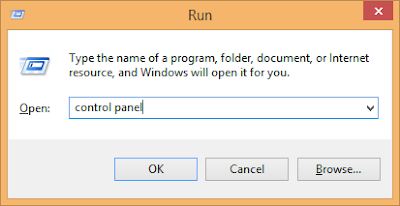
- Open run box by pressing Window+R keys together.

- Type control panel and hit Enter key.
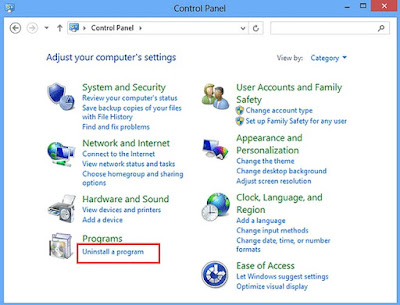
- Click on Uninstall a Program.
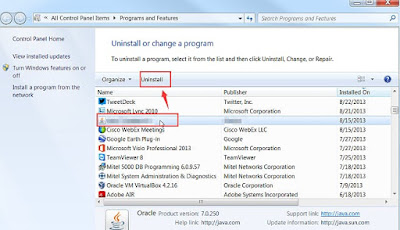
- Then select all the programs related to qbix Ransomware.
- Click Uninstall option.
For Windows 10
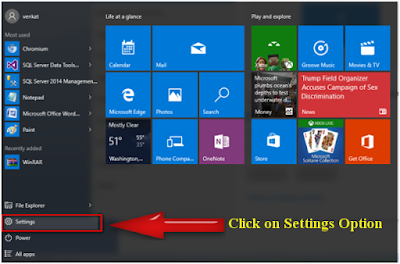
- Click on Start button.
- Select Settings option present in the bottom left corner of the screen.
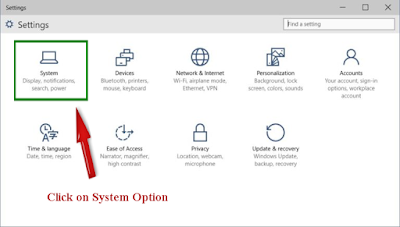
- Select System option under Setting.
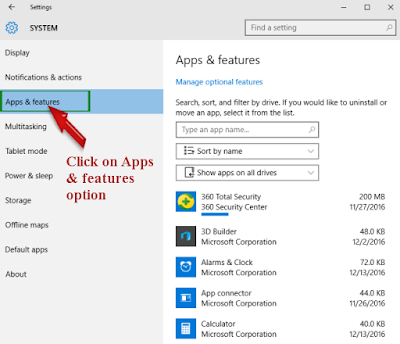
- Click on App & Features option.
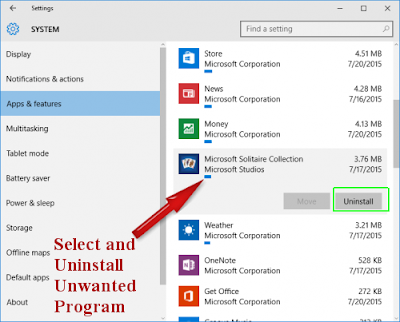
- Now, Uninstall all the unwanted program.
Guide 3 : Efface qbix Ransomware From Registry Entry In Operating System
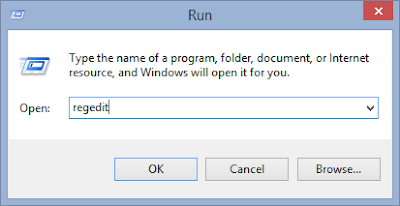
- Press 'Windows+R' keys to open Run box.
- Type 'regedit' in the box and click OK button.
- Find out Uninstall all the registry files related to qbix Ransomware.
HKEY_LOCAL_MACHINEOperating SystemCurrentControlSetServicesWpm
HKEY_CURRENT_USERSoftwareMicrosoftInternet ExplorerMain “Default_Page_URL”
HKEY_LOCAL_Machine\Software\Classesqbix Ransomware
HKEY_CURRENT_USER\Software\Microsoft\Windows\CurrentVersion\Run “.exe”
HKCU\Software\Microsoft\Windows\CurrentVersion\Internet Settings\random
HKEY_LOCAL_MACHINE\SOFTWARE\Microsoft\Windows\CurrentVersion\run\random
HKEY_CURRENT_USER\Software\Microsoft\Windows\CurrentVersion\Internet Settings “CertificateRevocation” = ’0
Guide 4 : Efface qbix Ransomware From Task Manager In Operating System
- Press Alt + Ctrl + Delete keys altogether to open task manager.
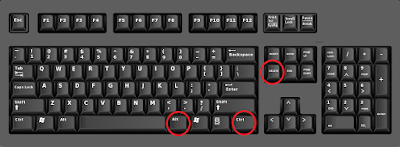
- In the window, click on Process tab.
- Select the unwanted processes running.
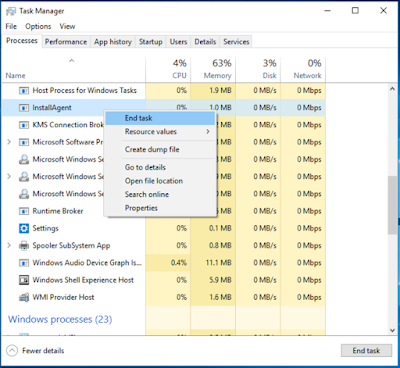
- Click on End Process.
Guide 5 : Steps To Start Operating System In Safe Mode
In windows XP/Vista/7 -
- Click on Start icon.
- Place the mouse on Shutdown button and then click on Restart button.
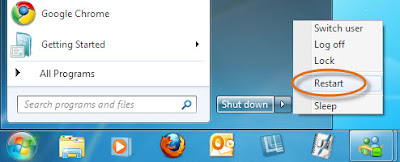
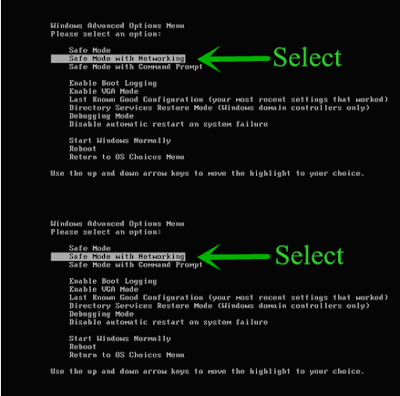
- Keep pressing F8 button when the Operating System starts booting-up.
- Select 'Advance boot menu' present on the screen.
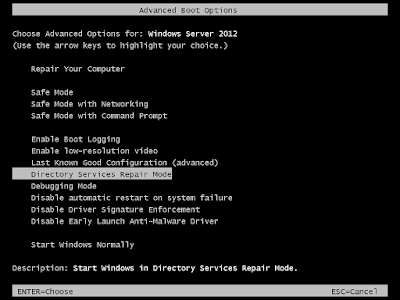
- Select 'Safe Mode With Networking' option and press Enter key.
In windows 8/10 -
- Click on Start button and press Shift key at the same time.
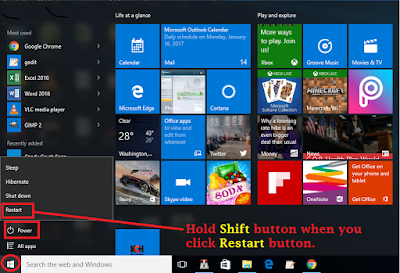
- Click on Restart button and click Troubleshoot option.
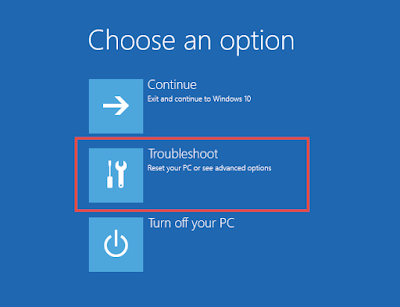
- Click on 'Advanced option' -> Startup Settings.
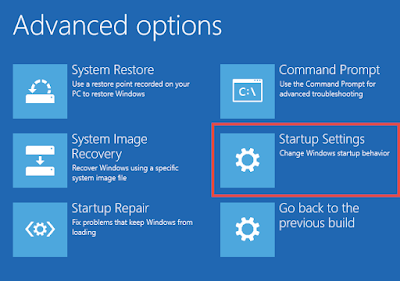
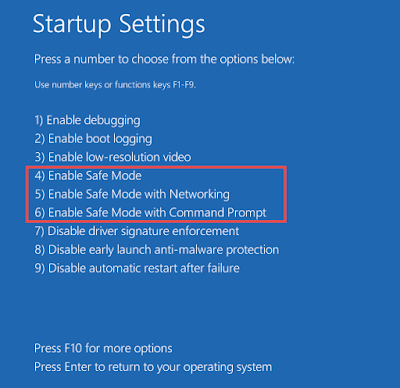
- Choose 'Enable Safe Mode' option from the given list and click on Restart.
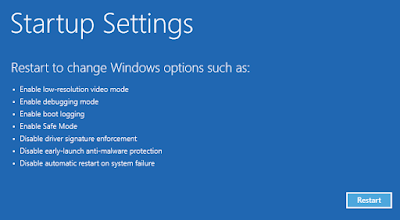
- Press F5 button to choose 'Safe Mode With Networking' mode.

No comments:
Post a Comment